agent infrastructureTerminal UseVercel for agentsAI agentsagent orchestrationdeveloper tools GTMdeveloper marketingpicks and shovelsagent SDKClaude Agent SDKCodex SDK
The Agent Infrastructure Stack: Why 'Vercel for Agents' Is the Hottest Category in Dev Tools
Terminal Use, Ghostd, SiClaw, Agent-Sandbox.nix — a new infrastructure layer is forming around AI agents. This is the picks-and-shovels play for the agent gold rush, and it's splitting developer tooling into 'tools for humans' and 'tools for agents.'
March 10, 20267 min readby Beatriz
The Agent Infrastructure Stack: Why "Vercel for Agents" Is the Hottest Category in Dev Tools
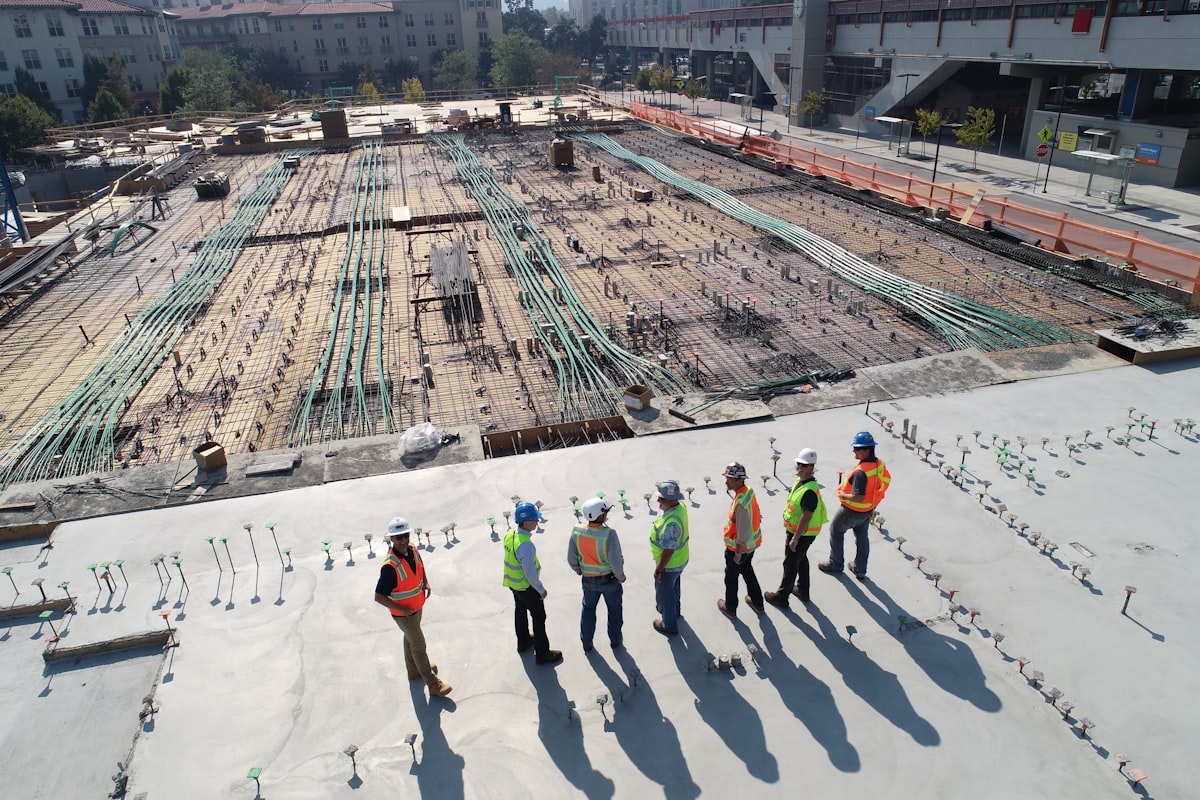
Photo by Benjamin Child on Unsplash
Every gold rush has the same pattern. First the miners. Then the people selling pickaxes. Then the people building the roads.
We're entering the roads phase for AI agents.
Terminal Use launched this week from YC W26 as an orchestration platform for background AI agents. Born from real pain — OOM crashes, no persistence, memory leaks — while building on Claude Agent SDK. Their pitch: framework-agnostic hosting for Claude Agent SDK, Codex, or custom agents. CLI-first. Designed so coding agents can experiment on and improve other deployed agents. Launch HN pulled 112 points and 76 comments — and the comments aren't debating the idea. They're debating the implementation details. That's the signal.
But Terminal Use isn't alone. In the same week on Show HN: Ghostd (browser automation for agents), SiClaw (infrastructure debugging agents), Agent Sandbox (isolated runtimes for agent execution). Four startups, one week, same thesis: agents need their own infrastructure layer.
I wrote about developers becoming agent fleet managers and the coding agent browser wars. Those pieces covered the demand side — more agents, more fragmentation, more complexity. This piece is about the supply side: who builds the infrastructure that makes agent fleets actually work?
The Parallel: Vercel for Web, Terminal Use for Agents
In 2015, deploying a web app meant configuring servers, managing SSL, wrangling CI/CD, and praying your CDN cache invalidated correctly. Vercel abstracted all of that into git push. The insight was that deployment infrastructure was undifferentiated heavy lifting — every team was solving the same problems, none of them were doing it well, and the friction was slowing down the thing that mattered (shipping).
Agent orchestration in 2026 is that same moment. Every team running AI agents is solving the same problems:
- Memory management. Claude Agent SDK leaks memory on long sessions. Agents OOM after extended runs. No built-in persistence.
- State and persistence. Agent crashes mid-task. Where does it resume? What context did it have? Who restores the filesystem state?
- Multi-framework orchestration. Team A uses Claude Agent SDK. Team B uses Codex SDK. Team C built something custom. They all need to run on the same infra.
- Observability. Which agent is doing what? How much did that run cost? Where did it fail?
Terminal Use's bet: these are infrastructure problems, not application problems. Same way Vercel said "you shouldn't be configuring nginx" — Terminal Use says "you shouldn't be writing your own agent process manager."
The Stack Is Forming
What's happening this week isn't one startup. It's a stack crystallizing. Every layer is getting its own company.
| Layer | Problem | Emerging players | Analogy |
|---|---|---|---|
| Orchestration | Run, schedule, scale agents | Terminal Use | Vercel / Railway |
| Sandboxing | Isolate agent execution safely | Agent-Sandbox.nix | Docker / Firecracker |
| Browser automation | Agents that interact with web UIs | Ghostd | Puppeteer / Playwright |
| Debugging / observability | Understand what agents are doing | SiClaw | Datadog / Sentry |
| Context management | Feed agents the right information | MCP ecosystem | CDNs / caching layers |
A year from now, "agent infrastructure" will be a recognized category on every VC market map. Right now it's four Show HN posts and a YC batch. That's the window.
The Real Split: Tools for Humans vs. Tools for Agents
I wrote about the developer audience splitting in two — accelerationists vs. institutionalists. That was about developer identity. This is about something more structural: the developer tools market itself is bifurcating.
Tools for humans: Cursor, VS Code, Zed. The user opens a UI, types, clicks. Marketing targets the developer directly — demos, onboarding flows, aha moments. Traditional PLG.
Tools for agents: Terminal Use, Ghostd, Agent-Sandbox.nix. The "user" is another piece of software. No UI to demo. No onboarding tooltip tour. The buyer is still human — but the user isn't.
This isn't a minor segmentation exercise. It changes everything about how you go to market.
Marketing When Your User Is an Agent
If you're building agent infrastructure, your marketing problem is different from anything the PLG playbook prepared you for. I covered the PLG funnel implications when agents become users. Here's what's specific to the infrastructure layer:
Your buyer and your user are different species. The platform engineer evaluates you. The AI agent uses you. Your marketing has to convince a human that your product makes their agents run better — without the agent ever seeing your landing page.
Docs are your top-of-funnel. Terminal Use is CLI-first for a reason. When your user is an agent (or a developer configuring one), the first touchpoint is the quickstart guide. Not the homepage. Not the pricing page. The README.md and the first curl command.
Community signal replaces demo magic. You can't screenshot an agent orchestration platform the way you screenshot Cursor's inline completions. Your social proof is GitHub stars, HN threads, and integration partners. Terminal Use's 107-point HN launch is worth more than a product demo video.
Integration count is the new feature count. "Works with Claude Agent SDK, Codex SDK, and custom agents" is the 2026 equivalent of "integrates with Slack, Jira, and GitHub." Framework compatibility is the moat — not features.
GTM Playbook: Agent Infrastructure in 2026
Five moves for anyone building (or marketing) in this category:
1. Lead with the pain, not the abstraction. "OOM crashes when running Claude agents" beats "agent orchestration platform" every time. Developers buy painkillers, not vitamins.
2. CLI-first, UI-second. Your product has to work in a terminal before it works in a browser. Agent infrastructure buyers live in the terminal. A web dashboard is nice. A brew install is mandatory.
3. Be framework-agnostic or die. The agent framework wars are far from settled. Picking one SDK is picking a side. Terminal Use's "bring any agent framework" positioning is correct — and it mirrors the multi-model strategy that's winning in the coding agent space.
4. Invest in docs like demand gen. Your documentation is your growth engine. Every quickstart guide that works on the first try is a conversion event. Every broken code sample is churn.
5. Build for the platform engineer, not the AI researcher. The buyer of agent infrastructure isn't the person training models. It's the platform engineer who needs agents to run reliably in production. Speak their language: uptime, observability, cost management, deployment pipelines.
What I'm Watching
The category is pre-consensus. Nobody agrees on what the "agent infrastructure stack" looks like yet. That means the naming, the market map, and the positioning are all up for grabs.
Three things to track:
- Does Terminal Use become the default "deploy agents here" platform? First-mover advantage matters in infrastructure. Vercel won partly by being early and opinionated. Terminal Use has the same opportunity.
- Does a standard emerge for agent persistence and state management? Right now every team rolls their own. The company that defines the standard — the way Docker defined containers — owns the layer.
- When does a major cloud provider enter? AWS, GCP, or Azure launching "managed agent hosting" is the signal that the category is real. It's also the signal that the window for startups is closing.
The picks-and-shovels play always looks boring until it becomes the foundation. Nobody tweets about their deployment platform. Everyone depends on it. That's the bet.
See also: When Developers Become Agent Fleet Managers | Open Source Coding Agents Are the New Browser Wars | Your PLG Funnel Has a New User: AI Agents
Sources: Terminal Use | Hacker News — Terminal Use Launch | Ghostd | Agent Sandbox | SiClaw launch discussion | Claude Agent SDK — Anthropic | Vercel